

Tracking the Tropics News: Your Comprehensive Guide to Hurricane and Storm Monitoring
As hurricane season approaches, the need for accurate and timely information about tropical weather becomes increasingly important. Whether you’re a resident of a coastal area, a traveler, or simply an interested observer, staying updated on tropical storms and hurricanes can help you prepare and stay safe. In this article, we’ll explore various aspects of tracking the tropics, including tools, techniques, and essential updates on current weather patterns.
What is Tracking the Tropics?
Tracking the tropics refers to monitoring tropical weather systems, particularly hurricanes and tropical storms. This process involves analyzing meteorological data to predict the path, intensity, and potential impact of these storms.
Importance of Tracking the Tropics
- Safety Precautions: Understanding storm forecasts can help individuals and communities take necessary safety precautions.
- Emergency Planning: Accurate tracking aids in effective emergency planning and resource allocation.
- Public Awareness: Keeping the public informed helps reduce panic and misinformation during severe weather events.
Key Terminology in Tropical Weather Tracking
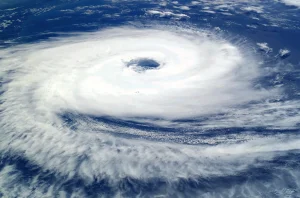
To understand tracking the tropics better, it’s essential to familiarize yourself with some key terminology:
- Tropical Depression: A tropical system with maximum sustained winds of less than 39 mph.
- Tropical Storm: A system with maximum sustained winds ranging from 39 to 73 mph.
- Hurricane: A tropical cyclone with sustained winds of 74 mph or higher.
- Storm Surge: An abnormal rise in seawater level due to the storm’s winds and pressure.
- Eye of the Storm: The calm center of a hurricane, surrounded by the eyewall.
How Tropical Storms are Formed
Tropical storms and hurricanes form over warm ocean waters, typically in the tropics. The process can be broken down into several key stages:
- Warm Ocean Waters: Temperatures must be at least 80°F (27°C) to provide the necessary heat and moisture.
- Low Pressure Area: A disturbance, such as a tropical wave, creates a low-pressure system.
- Wind Patterns: Converging winds at the surface and diverging winds at higher altitudes help develop and organize the storm.
- Development of the Storm: As the system organizes, it can intensify into a tropical storm and potentially a hurricane.
Tools and Techniques for Tracking the Tropics
Several tools and technologies are used to track tropical storms and hurricanes effectively. Here are some of the most important ones:
Satellite Imagery
- Geostationary Satellites: Provide real-time images of weather patterns, allowing meteorologists to monitor storm development.
- Polar-Orbiting Satellites: Offer detailed data on temperature, moisture, and other atmospheric conditions.
Doppler Radar
- Radar Systems: Help detect precipitation, wind patterns, and storm rotation.
- Rainfall Estimates: Provide crucial data on potential flooding from tropical systems.
Computer Models
- Numerical Weather Prediction (NWP): Advanced computer models simulate the atmosphere’s behavior to forecast storm paths and intensities.
- Ensemble Forecasting: Multiple models are used to create a range of possible outcomes, improving forecast accuracy.
Weather Buoys
- Ocean Buoys: Measure wave height, sea temperature, and wind speed, providing valuable data for meteorologists.
- Real-Time Data: Help track storm development over the ocean.
Staying Informed: Sources for Tracking the Tropics
Being informed is crucial during hurricane season. Here are some reliable sources for tracking the tropics:
National Hurricane Center (NHC)
- Official Updates: The NHC provides official forecasts, alerts, and warnings for tropical storms and hurricanes.
- Interactive Maps: Access to real-time data and projections.
Weather Apps
- Mobile Applications: Apps like The Weather Channel, AccuWeather, and NOAA Weather Radar offer real-time alerts and forecasts.
- User-Friendly Interfaces: Easy access to detailed weather information at your fingertips.
Social Media and News Outlets
- Twitter and Facebook: Follow meteorologists and official weather agencies for live updates.
- Local News Stations: Provide regional coverage and emergency information during storms.
Emergency Management Agencies
- State and Local Agencies: Keep track of emergency alerts and resources through your local emergency management agency’s website or social media.
Preparing for Tropical Storms and Hurricanes
Preparation is essential to minimize risks associated with tropical storms and hurricanes. Here are some key steps to take:
Emergency Kit Essentials
- Water: At least one gallon per person per day for three days.
- Non-Perishable Food: Enough for at least three days.
- Medications: Ensure you have enough prescriptions and over-the-counter medications.
- First Aid Supplies: A comprehensive first aid kit.
- Flashlights and Batteries: For power outages.
Evacuation Plans
- Know Your Evacuation Routes: Familiarize yourself with local evacuation routes and shelters.
- Plan for Pets: Ensure your pets have a safe place to go, and consider pet-friendly shelters.
- Stay Informed: Keep updated on local emergency management plans and announcements.
Home Preparations
- Secure Your Property: Install storm shutters, and reinforce doors and windows.
- Clear Debris: Remove any loose items from your yard that could become projectiles in high winds.
- Stock Up on Supplies: Ensure you have necessary supplies, including batteries, fuel, and cash.
Current Tracking the Tropics News
Recent Hurricanes and Storms
In recent weeks, several tropical systems have developed, affecting various regions. Here’s a summary of recent activity:
- Hurricane Fiona: Impacted the Caribbean with heavy rainfall and strong winds, leading to flooding and power outages.
- Tropical Storm Ian: Formed in the Atlantic, prompting watches and warnings along the southeastern coast of the U.S.
- Invest 93L: A disturbance being monitored for potential development into a tropical system.
Forecasts and Predictions
- Seasonal Predictions: Meteorologists are forecasting an above-average hurricane season due to favorable ocean temperatures.
- Watch for Changes: Stay alert for updates on potential storms forming in the Atlantic.
The Role of Climate Change in Tropical Storms
Climate change has a significant impact on tropical storm formation and intensity. Some key points to consider include:
- Warmer Ocean Temperatures: Rising ocean temperatures contribute to more intense storms.
- Increased Rainfall: Warmer air holds more moisture, leading to heavier rainfall during storms.
- Changing Storm Tracks: Climate change can alter traditional storm paths, affecting regions previously considered safe.
Tracking the tropics is essential for safety and preparedness during hurricane season. By utilizing various tools, staying informed through reliable sources, and preparing effectively, individuals and communities can mitigate the risks associated with tropical storms and hurricanes. Remember, knowledge is power—being aware of the latest tracking the tropics news and updates can help ensure your safety and that of your loved ones.


