
Shoulder to Shoulder Measurement Explained Clearly
Shoulder to shoulder measurement is an essential metric in clothing, tailoring, and body assessment. It determines the width between the outer edges of the shoulders, affecting how shirts, jackets, dresses, and blazers fit across the upper body. Proper shoulder measurement ensures garments sit naturally, avoiding tightness, gaping, or drooping.
Many people pay attention to chest or waist measurements but often overlook the shoulders. However, shoulder to shoulder measurement is critical for fit, comfort, and visual balance. A well-fitting garment depends on this measurement as much as any other body dimension.
This article explains shoulder to shoulder measurement in a clear and practical way. Using everyday examples, visual comparisons, and real-life contexts, it helps you understand why this measurement matters and how it impacts clothing, posture, and overall appearance.
What Is Shoulder to Shoulder Measurement
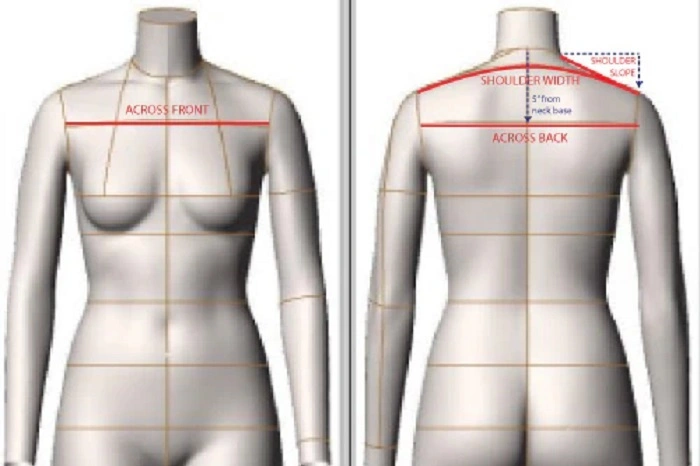
Shoulder to shoulder measurement refers to the straight-line distance across the back from one shoulder bone (acromion) to the other. It indicates the width of the upper body at the shoulders and helps determine proper garment fit.
This measurement is used extensively in tailoring, fashion, and uniform design. It is also important in posture assessment, ergonomics, and fitness, as the width of the shoulders affects movement, alignment, and proportional appearance.
Other terms sometimes used include back width or across shoulders, but the concept remains the same: understanding the horizontal dimension of the upper torso.
Understanding Shoulder to Shoulder Measurement Through Comparisons
Shoulder to shoulder measurement can be visualized using everyday comparisons.
It is similar to the distance across a coat hanger when selecting a jacket.
It resembles the width of a backpack strap placement for proper fit.
It reflects how shirts and jackets align along the upper back.
It can be compared to measuring the span of a wooden hanger for custom tailoring.
These visual comparisons make shoulder measurement tangible and easier to understand.
Real-Life Examples of Shoulder to Shoulder Measurement
Shoulder measurement affects multiple aspects of daily life and clothing.
A shirt that is too narrow across the shoulders may restrict arm movement and feel tight.
A jacket or blazer with wide shoulders may droop or appear oversized.
Uniforms and workwear rely on accurate shoulder measurements for comfort and functionality.
Fitness apparel, including sports jerseys and athletic tops, depends on shoulder width for proper support and mobility.
Posture assessments often use shoulder width to evaluate alignment and balance.
These examples illustrate how shoulder measurement impacts comfort, appearance, and functionality.
Shoulder to Shoulder Measurement in Clothing
In clothing, shoulder to shoulder measurement plays a key role in fit and silhouette.
It ensures shoulder seams align with the natural shoulder edge.
It prevents sleeves from pulling forward or backward.
It affects collar and neckline positioning.
It maintains proportionality between upper and lower body.
It supports a polished, structured appearance, especially in formal wear like blazers or dress shirts.
Accurate shoulder measurement is crucial in both ready-to-wear and custom garments to achieve a natural and professional look.
Typical Shoulder to Shoulder Measurement Ranges
Shoulder width varies by gender, age, and body type.
Men’s shoulder width typically ranges from 16 to 20 inches in adult clothing.
Women’s shoulder width generally ranges from 14 to 18 inches.
Athletic builds may require slightly broader measurements to accommodate muscular development.
Children and teenagers have smaller shoulder spans that grow with age.
Petite, regular, and tall clothing categories often adjust shoulder width to match body proportions.
These ranges provide general guidance, but individual measurements are the most accurate for proper fit.
Also Read: Torso Measurement Explained Clearly
How Shoulder to Shoulder Measurement Is Taken
Accurate shoulder measurement requires proper technique.
Stand upright with shoulders relaxed.
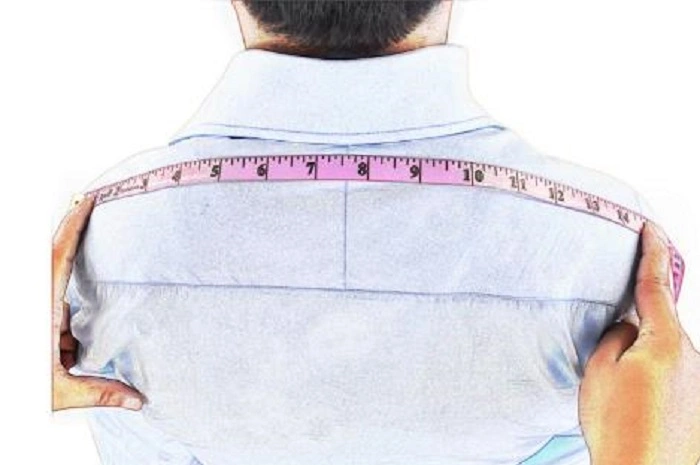
Measure from the outer edge of one shoulder bone to the other across the back.
Keep the tape straight and taut but not tight.
Avoid slouching or hunching, as posture affects the measurement.
Repeat the measurement to ensure consistency and accuracy.
Following these steps ensures that clothing will fit comfortably and correctly across the shoulders.
Why Shoulder to Shoulder Measurement Matters
Understanding shoulder measurement offers multiple benefits.
It ensures garments fit comfortably and do not restrict movement.
It improves the appearance of shirts, jackets, and dresses.
It prevents fabric from pulling across the upper body.
It aids in selecting properly sized outerwear, suits, and uniforms.
It helps assess posture and upper-body proportions in fitness and health contexts.
Accurate shoulder measurement enhances comfort, visual balance, and overall confidence.
Shoulder to Shoulder Measurement Compared to Other Body Measurements
Shoulder width complements other measurements for full-body fit.
Chest measurement determines garment circumference.
Torso length affects overall coverage.
Sleeve length ensures arms move freely without bunching.
Waist and hip measurements coordinate lower-body fit.
Combined, these measurements allow designers and tailors to create garments that fit proportionally and look polished.
Visualizing Shoulder to Shoulder Measurement in Daily Life
Shoulder measurement can be visualized in common activities.
Wearing a blazer with seams aligned perfectly on the shoulders.
Fitting a backpack without straps slipping off the shoulder.
Putting on a T-shirt without pulling across the back.
Ensuring sports jerseys allow full arm movement.
Adjusting seatbelts in vehicles for comfort and safety.
These visuals highlight why even small differences in shoulder width affect fit and function.
Common Misunderstandings About Shoulder to Shoulder Measurement
Some people confuse shoulder width with chest width.
Others assume all garments fit similarly regardless of shoulder measurement.
Some neglect to measure accurately and rely on standard sizes.
Many forget that posture and shoulder slope can affect the measurement.
Some assume shoulder measurement only matters for formal clothing.
Understanding these points ensures accurate application in clothing, fitness, and posture assessment.
Shoulder to Shoulder Measurement in Design and Tailoring
Designers and tailors rely heavily on shoulder measurement.
It informs pattern drafting for jackets, shirts, and dresses.
It supports grading between sizes to maintain proportional fit.
It affects sleeve placement and seam alignment.
It ensures comfort in uniforms, sportswear, and casual clothing.
It accommodates different body shapes and builds, especially in custom garments.
Shoulder to shoulder measurement is critical for both visual appeal and practical wearability.
Frequently Asked Questions (FAQ) About Shoulder To Shoulder Measurement
What is shoulder to shoulder measurement?
It is the horizontal distance across the back between the outer edges of the shoulders.
Why is shoulder measurement important?
It ensures proper clothing fit, comfort, and proportional appearance.
How do you measure shoulder width accurately?
Stand upright, measure from shoulder bone edge to edge across the back, keeping the tape straight and relaxed.
Does shoulder measurement vary by gender?
Yes, men typically have broader shoulders, while women have narrower measurements on average.
Can shoulder measurement affect posture assessment?
Yes, shoulder width is often used to evaluate upper-body alignment and balance.
Final Thought
Shoulder to shoulder measurement is a fundamental measurement that affects clothing fit, comfort, and appearance. Accurate measurement ensures garments sit naturally, seams align correctly, and sleeves move freely.
Understanding how to measure shoulder width allows you to choose better-fitting shirts, jackets, uniforms, and sportswear. It also plays a role in posture assessment, fitness, and design. By applying shoulder measurement correctly, you can enhance comfort, visual balance, and confidence in everyday life and professional settings.