
Beaumont’s Biomedical Waste Strategy: Achieving Growth Without Compromising Sustainability
In a world where sustainability is no longer a choice but a necessity, how does a thriving city like Beaumont ensure its biomedical waste management keeps pace with rapid industrial and healthcare expansion? The intersection of economic growth and environmental responsibility is more critical than ever, particularly in industries that generate hazardous waste. Without a robust strategy, the repercussions could be severe—compromised public health, environmental degradation, and regulatory non-compliance.
Beaumont, a hub of medical advancement, is home to numerous healthcare facilities, research institutions, and laboratories that generate significant amounts of biomedical waste. With this growth, the need for an efficient, sustainable biomedical waste strategy becomes paramount. The challenge? Balancing economic expansion with eco-conscious waste disposal practices that comply with stringent regulations while fostering long-term sustainability.
The Rising Demand for Sustainable Biomedical Waste Management
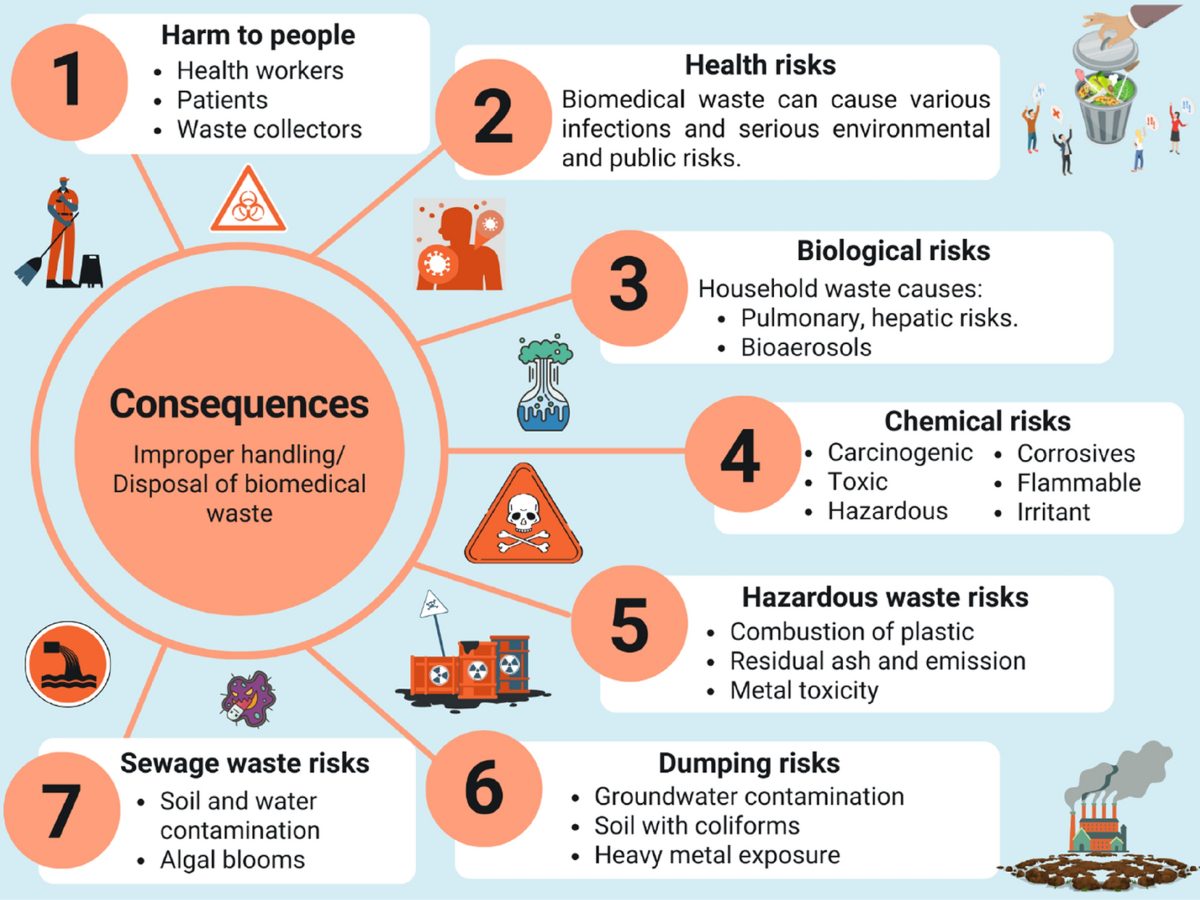
Biomedical waste, a byproduct of hospitals, clinics, laboratories, and research centers, requires meticulous handling due to its hazardous nature. Improper disposal can lead to severe environmental contamination and pose significant health risks. According to the World Health Organization (WHO), 15% of all medical waste is hazardous, containing infectious agents, toxic chemicals, or radioactive substances.
Beaumont’s medical sector has witnessed unprecedented growth, but this has come with an escalating volume of biomedical waste. Traditionally, disposal methods involved incineration and landfilling—both of which have severe environmental drawbacks. Incineration releases harmful emissions, while landfilling contributes to groundwater contamination. As a result, modern waste disposal strategies are shifting toward more sustainable alternatives such as autoclaving, microwave treatment, and chemical disinfection.
With new federal and state regulations emphasizing eco-friendly waste disposal, businesses in Beaumont must align with sustainable biomedical waste practices to remain compliant. Failure to do so could result in heavy fines, reputational damage, and long-term ecological consequences.
The Future of Medical Waste Disposal Beaumont
Beaumont’s future hinges on its ability to integrate sustainable medical waste disposal strategies that align with state and federal guidelines. Traditional disposal methods, while effective in containment, fall short in reducing environmental impact. The industry is now gravitating towards green technologies that ensure safe, cost-effective, and environmentally responsible waste handling.
One key innovation is the rise of waste-to-energy (WTE) solutions, where biomedical waste is converted into usable energy. This approach not only minimizes waste volume but also contributes to the circular economy by repurposing waste into electricity or heat. Additionally, plasma gasification—a cutting-edge technology—breaks down waste at the molecular level, significantly reducing landfill dependency while producing syngas, which can be used as fuel.
For businesses in Beaumont looking to implement responsible medical waste disposal Beaumont, a dedicated partner can make all the difference. Biomedical Waste Solutions offers fully compliant, cost-effective waste management services that prioritize both safety and sustainability.
Compliance and Cost Efficiency: The Business Perspective
Beyond environmental responsibility, adhering to strict biomedical waste regulations is a business imperative. The Environmental Protection Agency (EPA) and the Texas Commission on Environmental Quality (TCEQ) impose stringent guidelines on healthcare facilities, ensuring that biomedical waste is handled, transported, and disposed of safely.
Non-compliance with these regulations can lead to severe financial penalties, legal repercussions, and damage to brand reputation. On the other hand, businesses that proactively invest in sustainable waste management can benefit from reduced operational costs, improved public perception, and long-term compliance security.
Several leading healthcare organizations in Texas have already transitioned to sustainable waste management solutions, leveraging third-party waste disposal services to ensure 100% regulatory adherence while optimizing costs. Implementing automated tracking systems, smart segregation techniques, and AI-driven waste monitoring can help businesses streamline operations and eliminate inefficiencies.
The Role of Public-Private Partnerships in Sustainability
Achieving sustainable biomedical waste management requires collaboration between businesses, local authorities, and environmental organizations. Public-private partnerships (PPPs) play a crucial role in developing innovative waste disposal infrastructure and ensuring widespread compliance.
For instance, cities like San Diego and Minneapolis have successfully implemented PPPs to enhance waste disposal efficiency while integrating renewable energy solutions into their waste management programs. Beaumont can take inspiration from such initiatives by fostering collaboration between healthcare providers, waste management firms, and environmental advocacy groups.
Moreover, educational programs can bridge the knowledge gap by training medical personnel on best practices in waste segregation, storage, and disposal. By fostering a culture of sustainability within the healthcare industry, Beaumont can ensure long-term environmental responsibility while maintaining its economic growth trajectory.
Driving Towards a Sustainable Future
The intersection of biomedical waste management and sustainability is more than just an environmental concern—it’s a business necessity. Beaumont’s healthcare sector must embrace eco-friendly disposal methods, leveraging cutting-edge technologies and regulatory compliance frameworks to mitigate risks and enhance efficiency.
By integrating sustainable biomedical waste strategies, businesses in Beaumont can contribute to a greener future while maintaining operational efficiency and regulatory compliance. With the right partnerships, innovative technologies, and an unwavering commitment to sustainability, Beaumont is well-positioned to lead by example in responsible biomedical waste management.
The challenge now lies in execution. Will Beaumont’s business leaders take proactive steps towards a cleaner, more sustainable future? The answer to that question will shape the city’s environmental legacy for generations to come.


