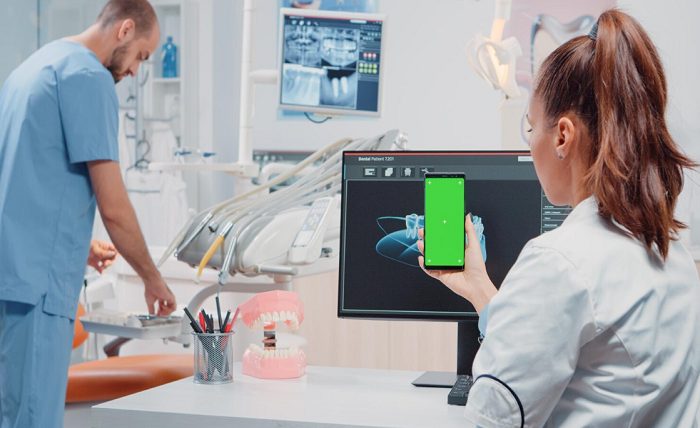

Embracing the Future with Telehealth Occupational Therapy
The healthcare sector has witnessed a remarkable transformation with the advent of technology, an evolution that brings convenience and accessibility to the forefront of patient care. Among the numerous advancements, telehealth occupational therapy stands out as a pioneering approach that redefines the delivery of therapeutic services. As we progress further into a digital era, it is essential to understand how telehealth is reshaping the landscape of occupational therapy and why embracing this innovative method could be beneficial for both therapists and patients alike.
The Rise of Telehealth Occupational Therapy
Telehealth occupational therapy is an exciting development in the field of healthcare, offering therapy services through digital platforms. This method allows occupational therapists to provide assessment, intervention, and consultation services remotely, utilising communication technologies such as video conferencing, smartphones, and other online tools. Such an approach not only addresses the growing need for versatile healthcare solutions but also propels the occupational therapy profession into new realms of effectiveness and efficiency.
Accessibility and Convenience
In the pursuit of accessible healthcare, telehealth occupational therapy emerges as a solution that transcends geographical barriers. For individuals residing in rural or remote areas, where specialist services might be scarce, telehealth presents an opportunity to receive high-quality care without the necessity to travel long distances. Moreover, it offers a level of convenience that traditional face-to-face consultations might not provide, especially for those with mobility issues or time constraints.
Customised Patient Care
Telehealth occupational therapy aligns with the core value of providing personalised patient care. With the adaptability of digital platforms, therapists can deliver tailored treatment plans that cater to the unique needs of each individual. By integrating technology, healthcare providers can monitor progress more closely and adjust therapeutic interventions in real time, ensuring that the care pathway remains responsive and dynamic.
Cost-Effectiveness
The cost implications of traditional therapy methods cannot be overstated, with transportation, accommodation, and lost work hours weighing significantly on patients. The introduction of telehealth services not only reduces these financial burdens but also allows for more efficient use of resources. Consequently, healthcare systems can redirect savings toward enhancing service quality or reaching more clients in need.
Collaborative Practice
A noteworthy benefit of telehealth occupational therapy is the facilitation of collaborative practice. It encourages multidisciplinary teamwork by enabling specialists from different locations to convene virtually, share insights, and develop comprehensive care plans. This collective approach amplifies the benefits of occupational therapy, supporting patients with diverse and compounded healthcare needs.
Challenges and Considerations
While the advantages of telehealth are tangible, it is important to consider the associated challenges. Connectivity and technology issues can create barriers, and there is an ongoing need to ensure the privacy and security of patient data. Additionally, some elements of occupational therapy, such as certain hands-on interventions, may not translate seamlessly to a virtual environment. Professional bodies need to continue to develop robust guidelines that address these concerns to maintain high standards of care.
Embracing Technology in Healthcare
The integration of telehealth within occupational therapy requires an embrace of technology not only by practitioners but also by those they serve. Encouraging tech literacy among patients, providing training for therapists, and investing in high-quality digital tools are steps towards optimising telehealth services. By doing so, healthcare providers can enhance engagement and forge a path for seamless, tech-enabled therapeutic interactions.
Legislation and Policy Support
The successful implementation of telehealth occupational therapy requires legislative and policy support. As technology continues to evolve, so too must the regulations that govern its use within healthcare. Ensuring clarity around licensing, reimbursement, and standards of care for telehealth services is crucial for its sustainability and growth.
The Patient Experience
A core focus for therapists adopting telehealth should be the patient experience. Navigating the delicate balance between technology and the human element of therapy is essential. Therapists must strive to maintain empathy, build rapport, and foster trust through digital means. Understanding and addressing patient concerns regarding virtual therapy will be vital to its adoption and success.
Data-Driven Insights
Telehealth opens the door to data-driven insights in occupational therapy. With the capability to collect and analyse patient data comprehensively, therapists can improve their understanding of treatment effectiveness and patient outcomes. Such insights can power evidence-based practice and contribute to the refinement of telehealth services in occupational therapy.
The Future of Occupational Therapy
The march towards a future rich with telehealth possibilities is inevitable. As societal needs change and technological capabilities advance, the healthcare industry, including occupational therapy, must keep pace. Telehealth occupational therapy is more than just a temporary solution; it’s a sustained advancement that promises greater accessibility, improved patient outcomes, and optimised resource utilisation.
Remaining Adaptable and Agile
Professionals in the field of occupational therapy must continue to embrace change and remain adaptable. With evidence supporting the efficacy of telehealth services, advancing educational programmes, embracing lifelong learning, and sharing of best practices can help the profession thrive in a telehealth-oriented future.
Conclusion
In conclusion, telehealth occupational therapy is not just a fleeting trend but a transformative approach that ushers in a new era for healthcare provision. While it is not without its challenges, the potential benefits for patients and therapists are immense. With continued development, telehealth could significantly enhance the delivery of occupational therapy services, making them more efficient, accessible, and person-centred than ever before. As the healthcare landscape continues to evolve, it is imperative that both practitioners and patients recognise and embrace the future with telehealth occupational therapy at its heart.