
Natural Methods Seniors Can Use to Manage Kyphosis
Kyphosis can sneak up over the years, turning easy tasks into aches and fatigue. The good news: small, steady changes help. If you live with family, on your own, or in an independent living community, the basics are the same—move often, sit well, and treat your back with care. This guide keeps things simple and doable. No gadgets you don’t need. No harsh routines. Just friendly steps you can start today and keep going tomorrow.
Gentle Daily Movement
Think of movement like oiling a stiff hinge—the more regular it is, the smoother things feel. Aim for a short walk most days, even if it’s just around the block or down the hallway. Add easy stretches you can remember: chin tucks, shoulder rolls, and slow reach-ups while breathing out.
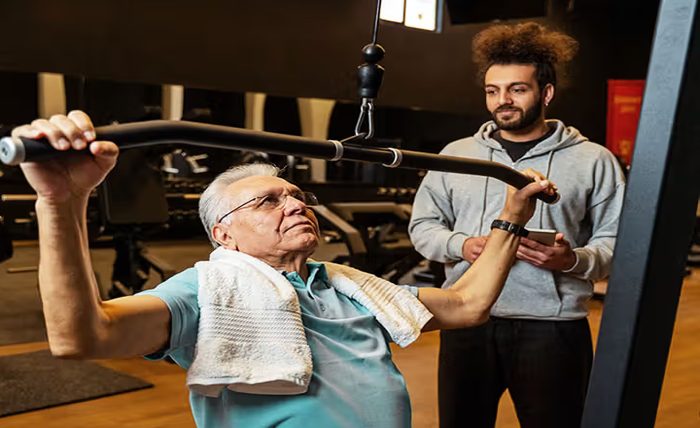
Light strength work matters too. Try standing from a chair without using your hands, or holding a light soup can for a few curls. Keep the pace relaxed. Pain is a stop sign; tightness is a yellow light—go slow and steady.
Smart Posture Habits
Posture isn’t about standing like a soldier. It’s about stacking your body so it works less and lasts longer. Picture a gentle string lifting the crown of your head, then soften your shoulders. When you sit, plant your feet, scoot your hips back, and let your back touch the chair.
Set a timer every 30 to 45 minutes so you get up, breathe, and reset. Reading? Bring the book up to you, not your face down to it. Watching TV or knitting? Check in with your shoulders and jaw—both love to creep forward.
A Comfortable Home Setup
Your home can help you stand taller without trying. Use a chair with firm support and a small cushion or rolled towel at your lower back. Keep often-used items at waist height so you aren’t bending all day. In the kitchen, turn and step instead of twisting.
By the bed, place a sturdy nightstand for water and glasses. If you sleep on your side, tuck a small pillow between your knees. If you sleep on your back, a thin pillow under your knees often eases morning stiffness and helps you get moving.
Food, Sunlight, and Support
Your bones and muscles are always changing, even now. Give them what they need. Eat enough protein—beans, eggs, yogurt, chicken—to keep muscles strong. Add calcium and vitamin D foods, and catch a few minutes of sun when it’s safe.
Drink water; stiffness loves a dry body. If you smoke, cutting back helps more than most people realize. Ask your doctor or a trusted therapist about simple, safe moves tailored to you. A walking buddy or class adds routine and joy—two quiet superpowers for long-term progress.
Conclusion
Small daily wins add up. Choose one move, one posture tweak, and one home fix, and practice them this week. Next week, add one more. Celebrate the days you show up, not perfection. Your back is listening—and it can change slowly.